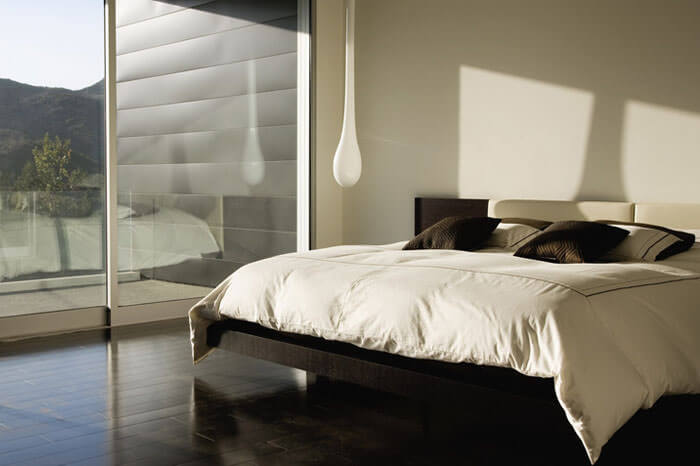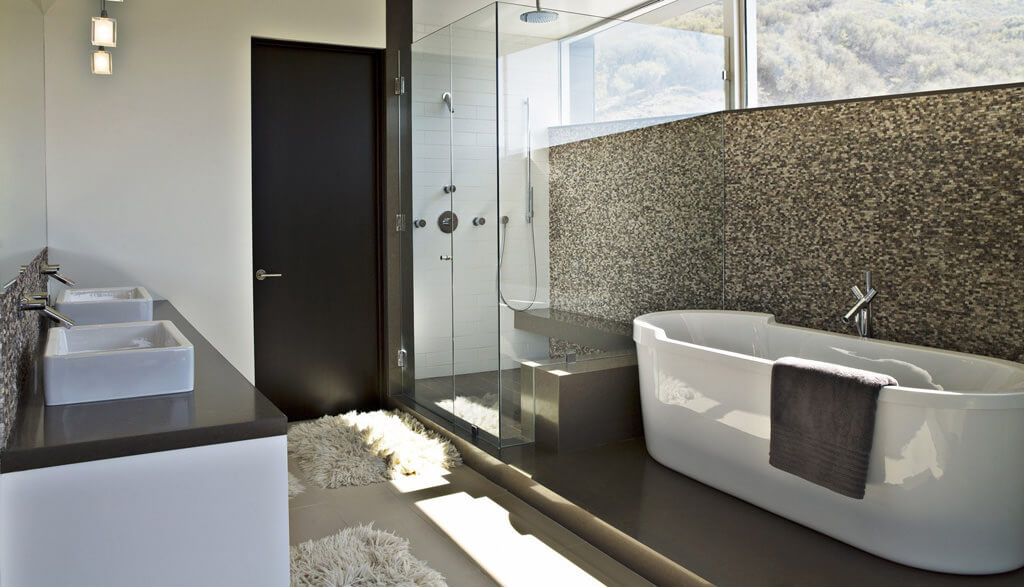
Commercial interior design refers to the interior design done in commercial spaces, such as offices, retail spaces, restaurants, lobbies, and other public spaces. Commercial interior design begins with the planning process when designers work with an architect to establish elements that will determine the appearance of the finished space. Designers then work with the completed space, adding furniture and decor to meet the original design goals. Commercial interior design can create visually interesting spaces that follow a specific theme or bring an interesting twist to an otherwise unremarkable space. Good commercial interiors may go largely unnoticed by most, but they can have a significant impact by not only adding value to a business by adding value to the building in which it resides but also improving the space for those who spend time in it.
A commercial interior designer is responsible for understanding a client’s needs and working within a budget to achieve them. This involves first meeting with whoever is in charge of the renovation or construction project from the client’s side, as well as the architect, to brainstorm ideas and understand their feasibility. After that our Designers may produce sketches or 3D models and 3D rendering of commercial spaces simulations to help clients visualize the space. At a later stage, the designer would find furnishings that can go into the completed space. Commercial interior design can make use of any existing design style or create an entirely new one. For example, modern and contemporary design is popular for corporate lobbies, tech-focused offices, and some government buildings.
Many reasons exist for a business or public agency to pay for commercial interior design. In the case of retail spaces, a well-designed space may be more attractive to customers, getting more people to enter the store and persuading them to spend more time there. In other cases, a commercial interior design project may have goals such as establishing a theme that projects a particular corporate image. For example, a tech company may furnish its lobby with a contemporary theme to convey its focus on efficiency and the future also calculate the commercial rent, and a restaurant may opt for a particular design that is in sync with the cuisine it offers.